

CHALLENGE & BALANCE
Sport brings challenge, and a vital balance to academic life. Every afternoon, pupils can participate in a wide range of sporting opportunities. Our coaching staff consists of former international players and professionals, as well as current county and district level coaches. Their expertise and enthusiasm readies pupils to represent their sport at regional, county, national and international level.
We have recently opened the doors to the new Winchester College Sports Centre, allowing all of our pupils to enjoy and participate in a variety of sports whilst simultaneously enabling the most talented and driven pupils to train and compete at the highest level.
CRICKET
Cricket at Winchester has a long and distinguished history.
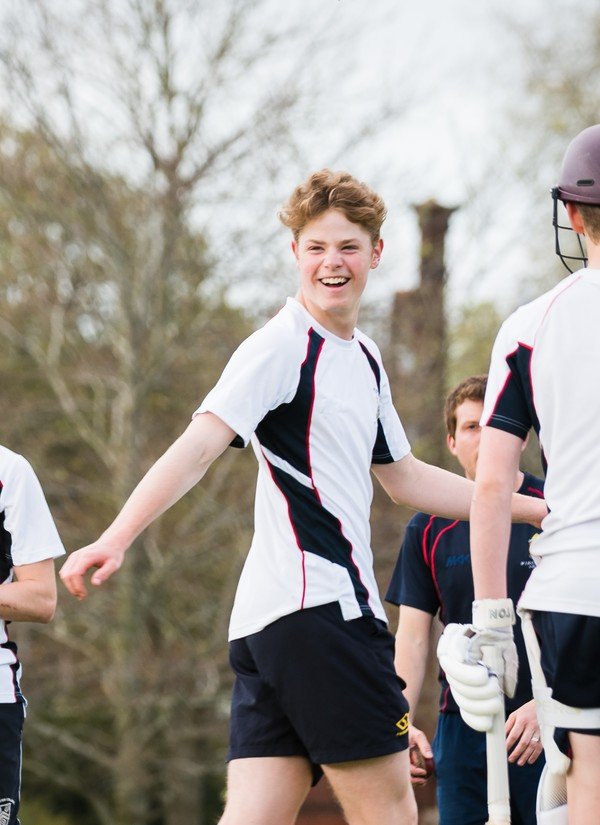
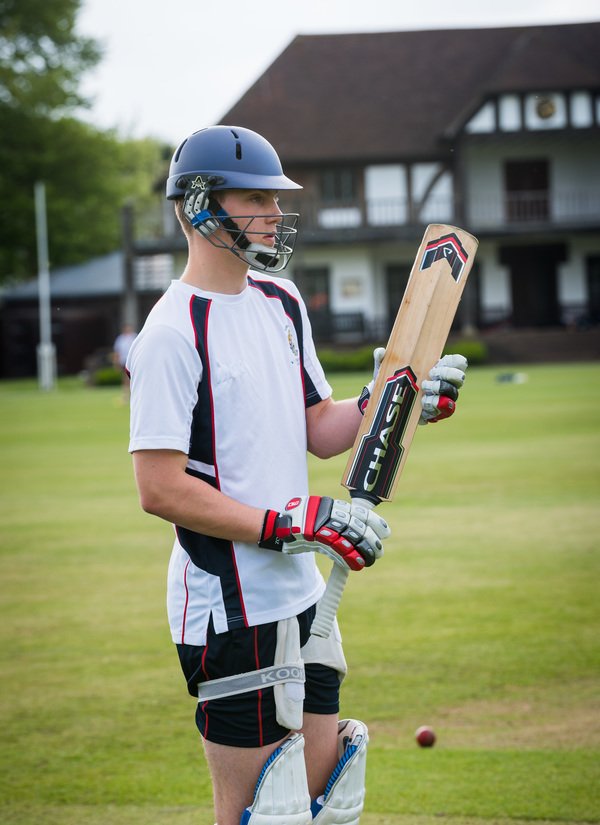
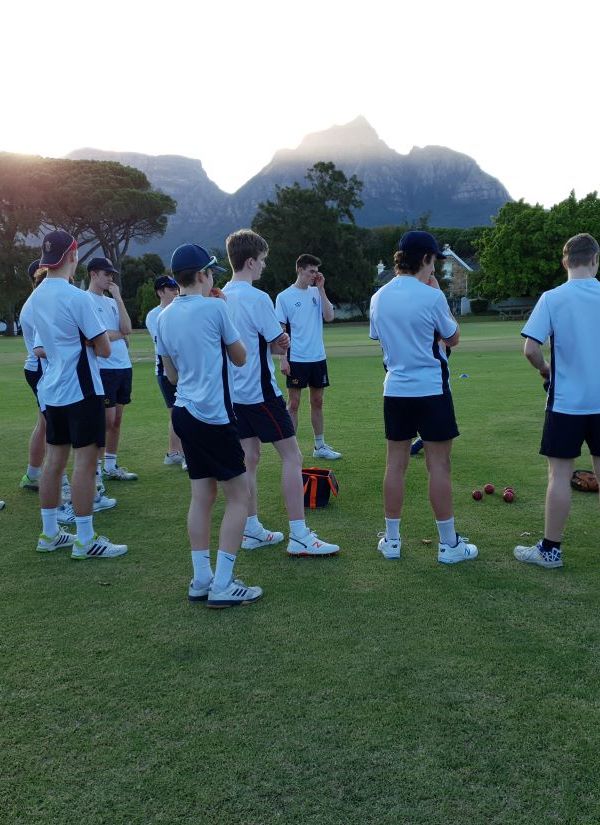
The school has a collection of some of the most beautiful grounds in the country. The cricket programme, developed and run by our Cricket Professional, is also supported by a number of highly qualified coaches. Designed to encourage our talented players to reach their full potential, it involves a structured and dynamic winter programme, running from October to the start of the summer playing season.
A full fixture list is played in the summer term with block fixtures against a number of other schools including Eton, Charterhouse, Bradfield, Radley and Marlborough. There are also regular tours abroad, most recently to the West Indies and South Africa.
FOOTBALL
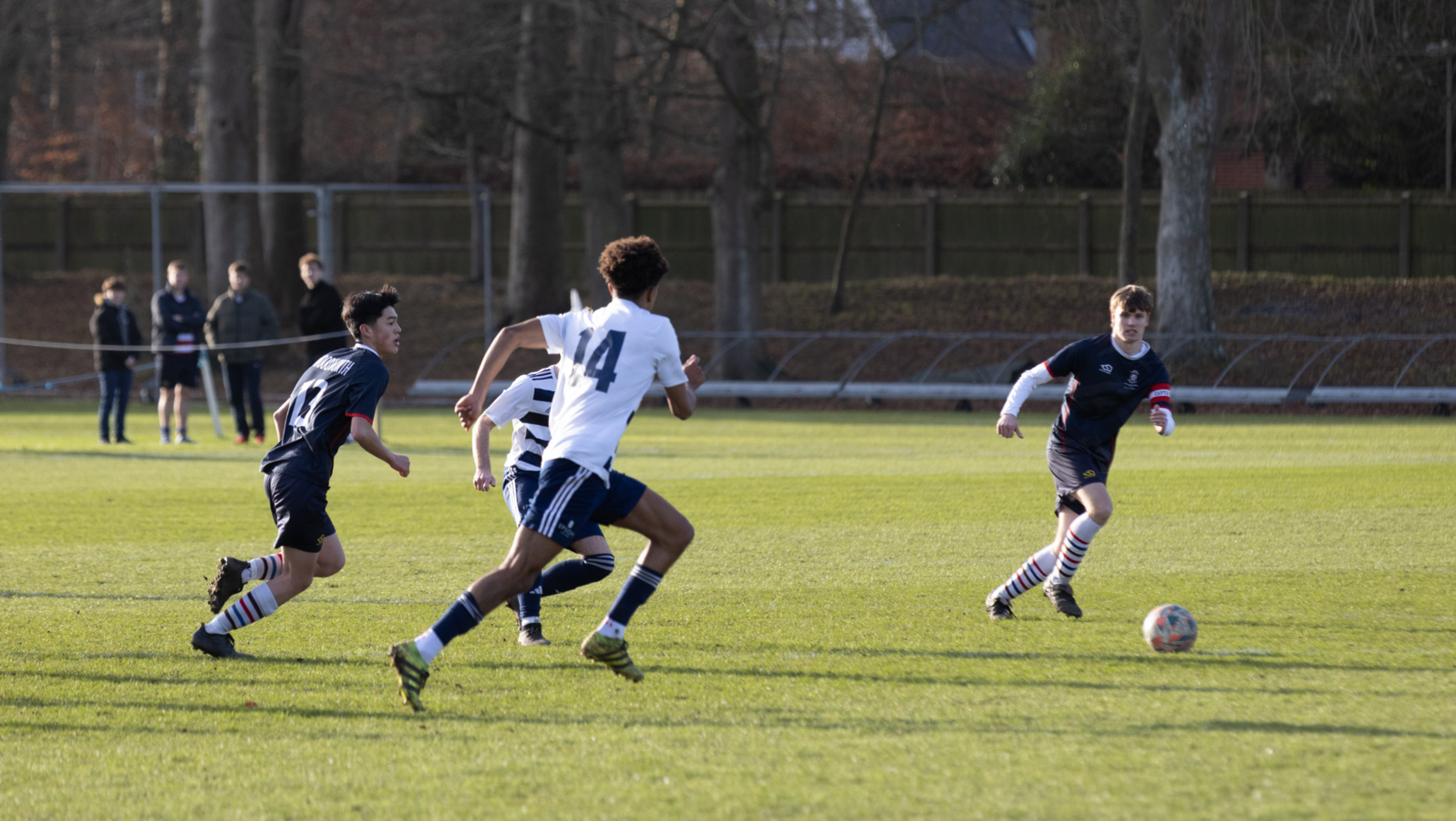
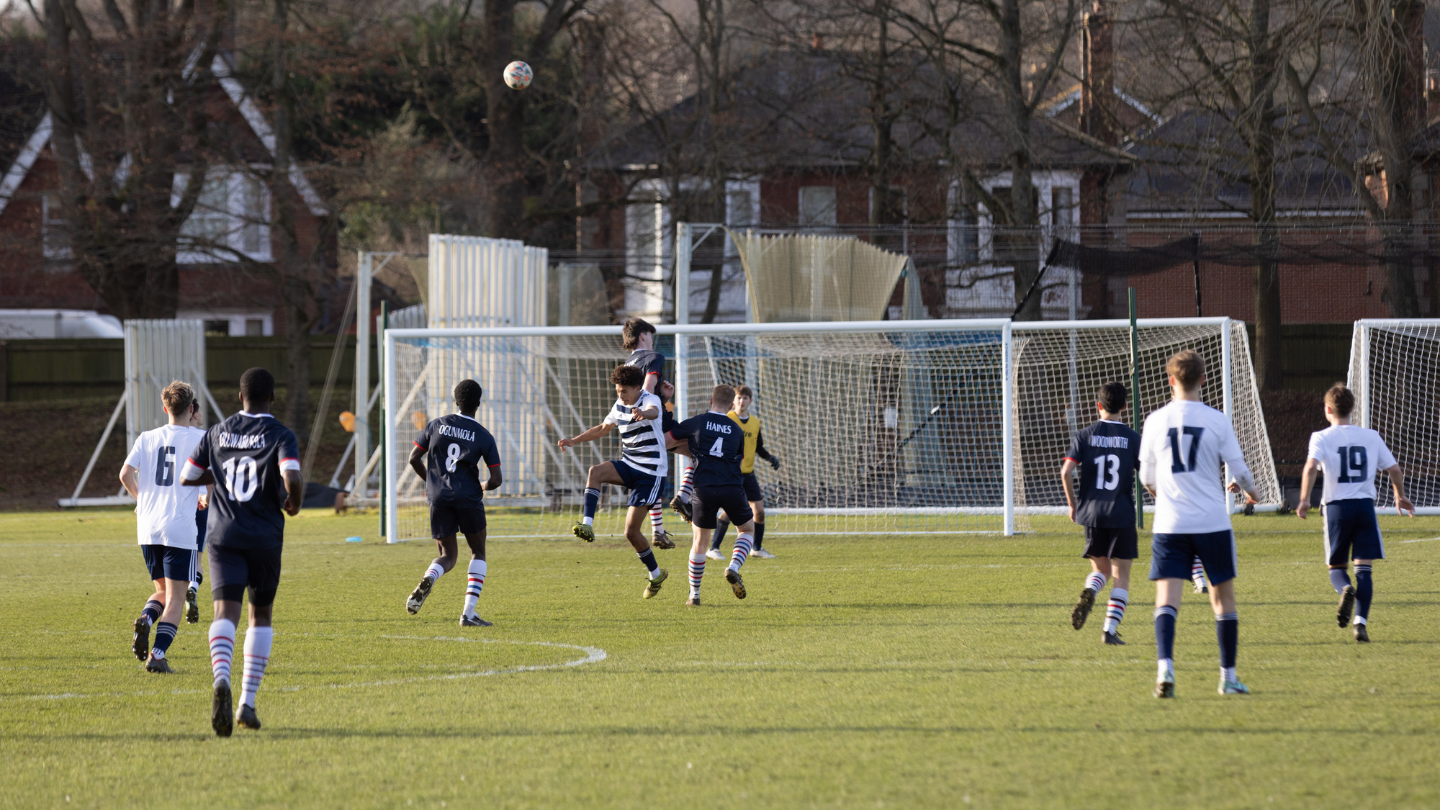
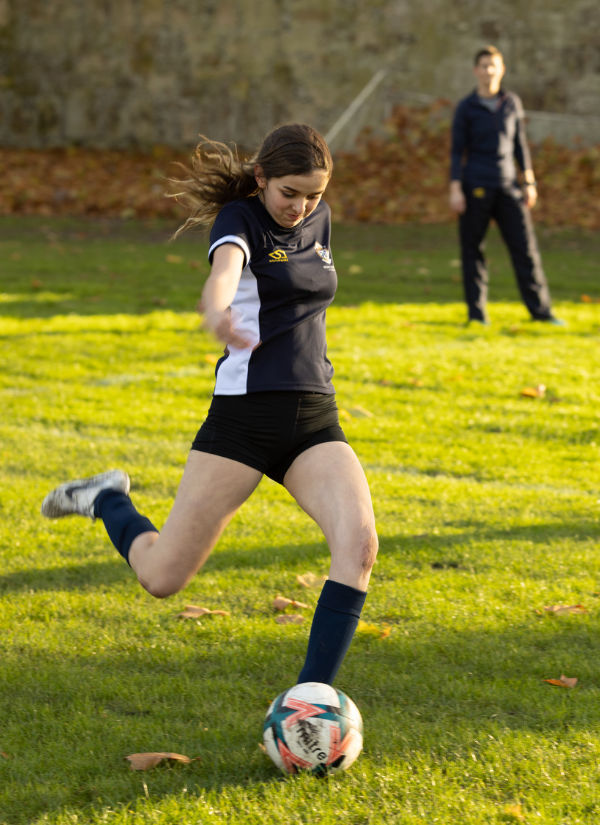
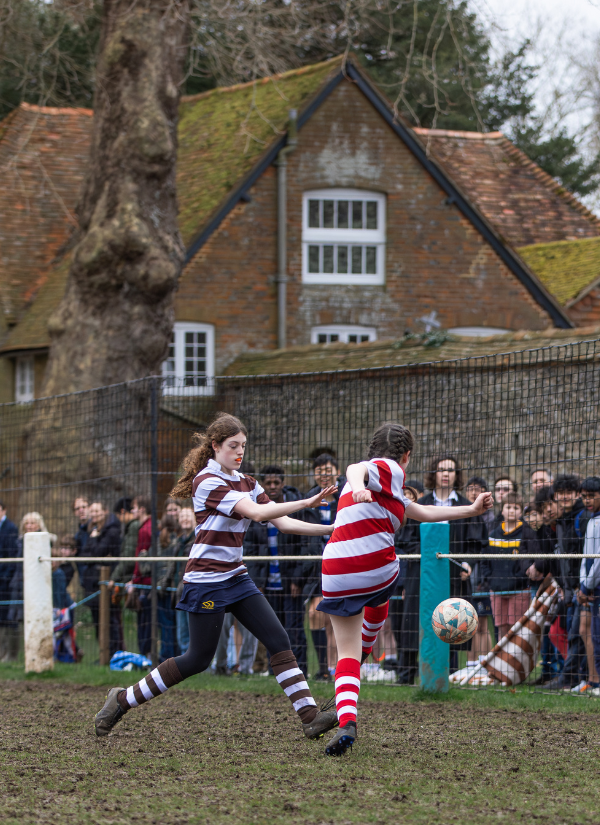
Catering for all abilities, there are many school as well as house teams for pupils to compete in. Regular training sessions throughout the week prepare players for a full and varied fixture list.
We have superb pitches and excellent ground staff. A large number of dons bring their enthusiasm and experience into play to support a footballing community that permeates the entire school. All work together around our first full-time Soccer Professional, Jason Dodd, former Club Captain and Director of the Player Academy at Southampton FC.
Golf
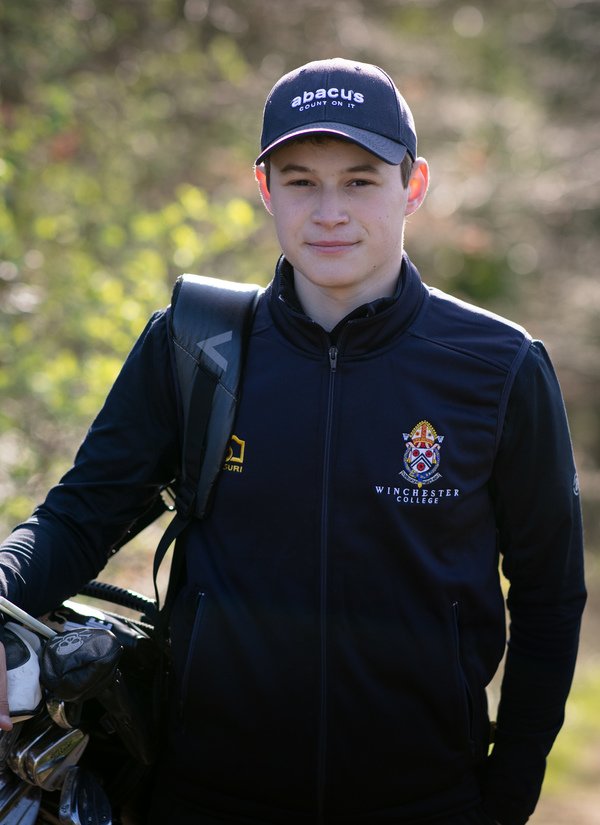
Golf is an increasingly popular sport with pupils who have access to a superb 18-hole course at nearby Hockley Golf Club. You can see a video of the course below. As well as playing and training on one of the best chalk downland courses in the UK, we offer weekly 1:1 coaching with a Hampshire Academy professional and the opportunity to play in the top schools’ competitions.
We currently participate in The Micklem Trophy, the ISGA Matchplay Tournament, the ISGA HG Trophy and the HMC singles and foursomes. Former pupils have recently won the prestigious Halford Hewitt Trophy for the first time since 1948.



Those with exceptional sporting talent are given maximum support and encouragement at Winchester. Our Sports Scholarships have been set up to bring out the best in pupils who demonstrate exceptional ability on the football or cricket pitch. We also consider pupils who show great promise in other sports including rowing, golf, hockey, tennis, squash/rackets, athletics and martial arts.
A greater choice
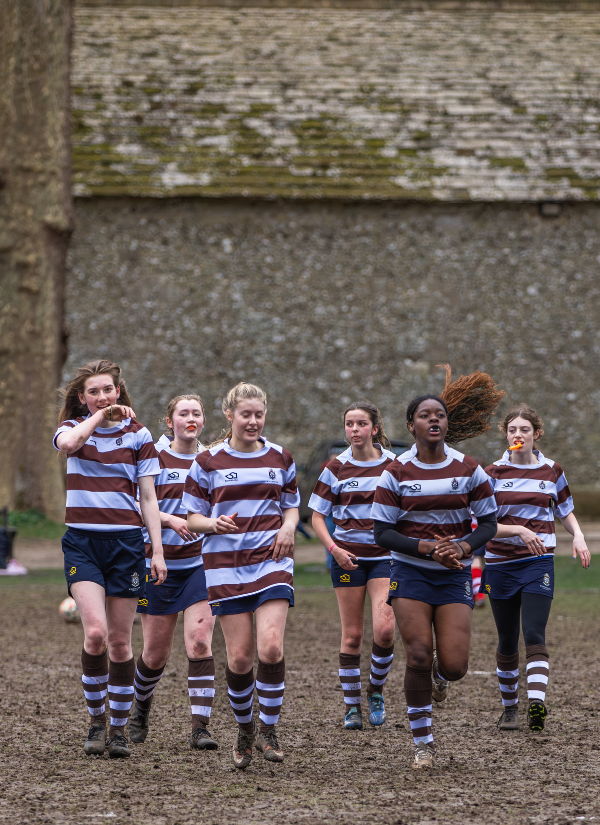
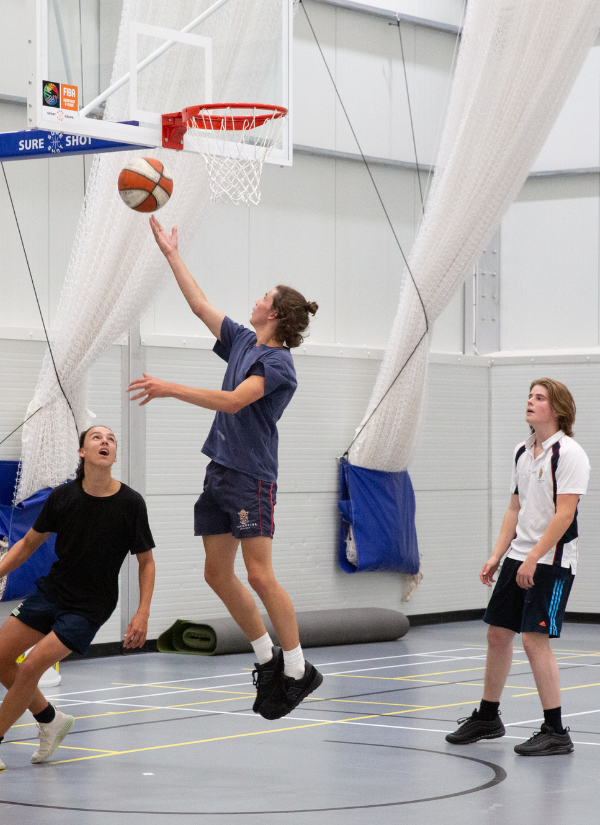
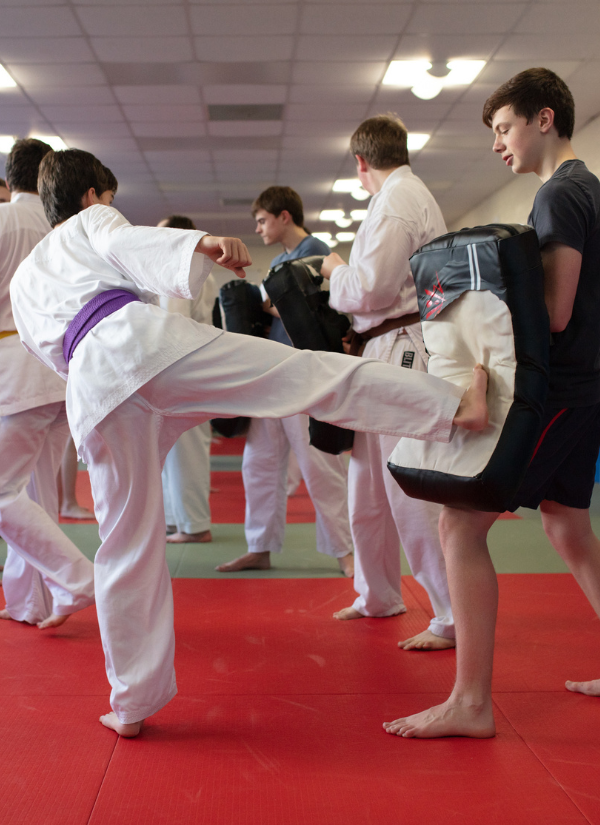
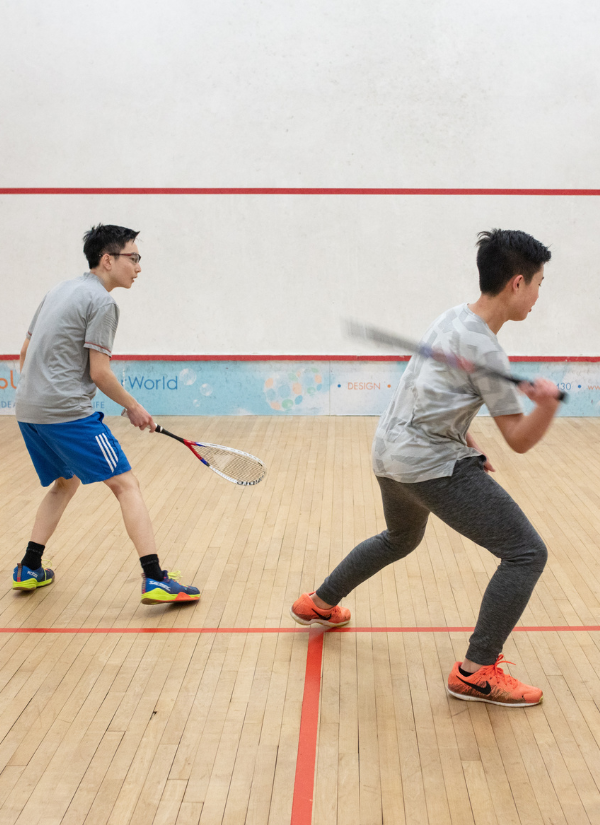
With over 30 sports and activities to choose from, whether part of the PE curriculum or an elective activity, there is something for everyone at Winchester. This flexibility is one of the strengths of sport here. It allows pupils to explore and pursue excellence in their chosen specialisms, leading to a deeper appreciation and a life-long enjoyment of sport:
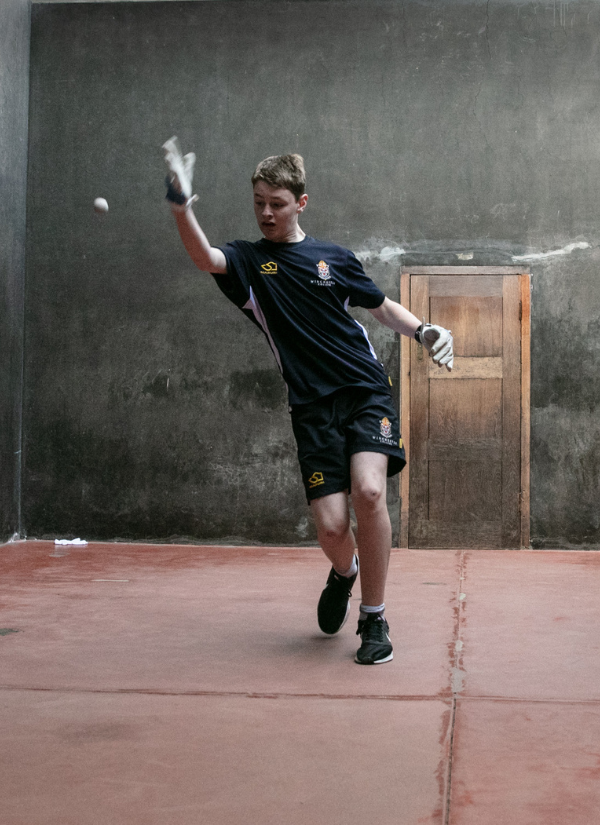
Adventure Education (including Kayaking, Climbing and Mountain Biking), Aikido, Athletics, Badminton, Basketball, Clay Pigeon Shooting, Cricket, Croquet, Cross Country, Fencing, Fishing, Fives, Futsal, Golf, Hockey, Judo, Karate, Martial Arts, Rackets, Rowing, Sailing, Soccer, Squash, Strength & Conditioning, Swimming, Table Tennis, Target Rifle Shooting, Tennis, Water Polo, Winchester College Football, Yoga.



 Back to Learning