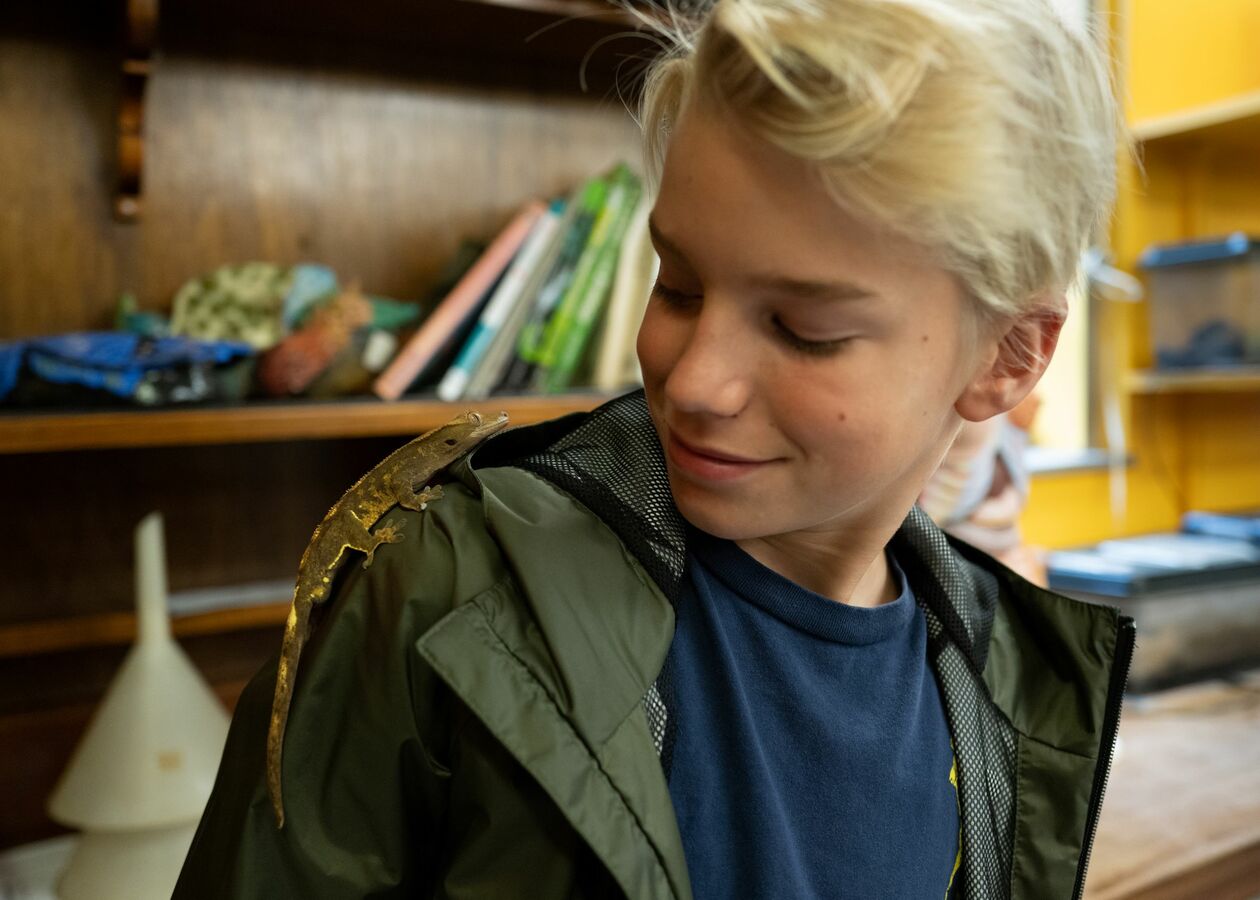


Outside study time, pupils have a huge choice of extra-curricular activities, clubs and societies within which to find like minds and fresh challenges. Many are founded and run by the pupils themselves. Whether broadening or intensifying their interests, pupils take part in a busy and stimulating range of activities that enrich their studies and their school life throughout the year.
We actively encourage pupils to participate in as many societies and activities as they feel able to manage. Many take on responsibilities within these groups and gain much useful experience in learning how to organise and run them. They make lasting friendships and enjoy taking part.
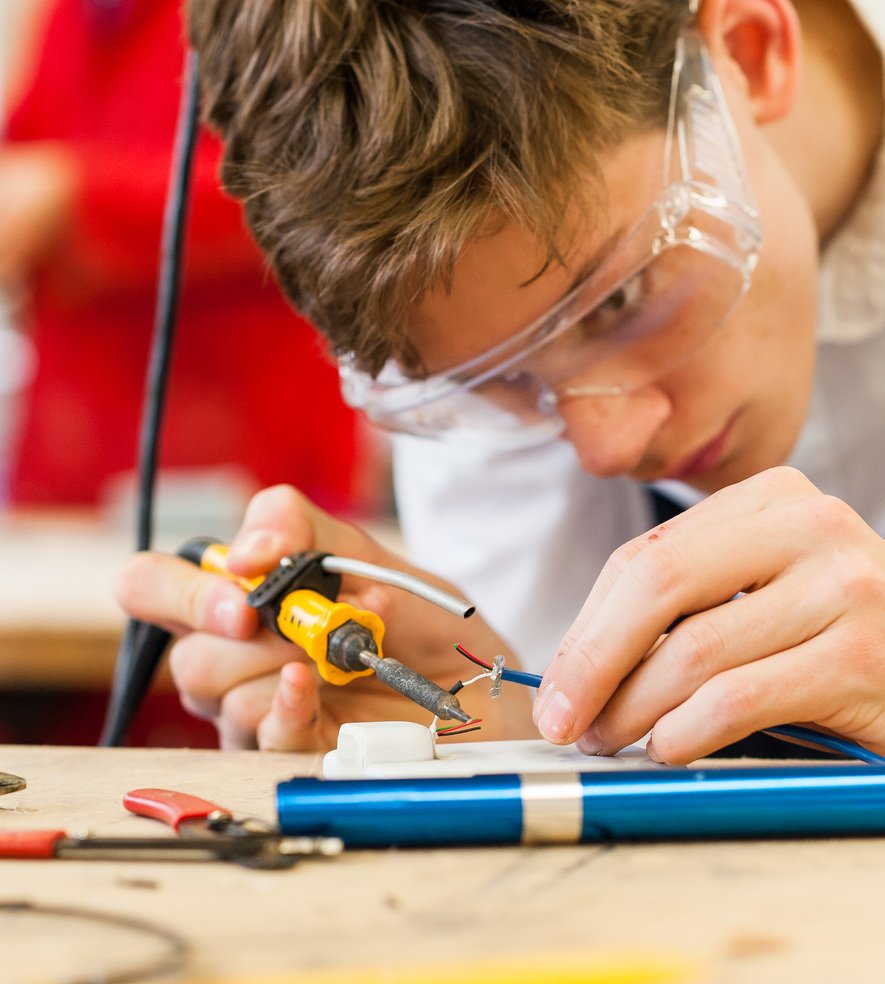
ENTERPRISING
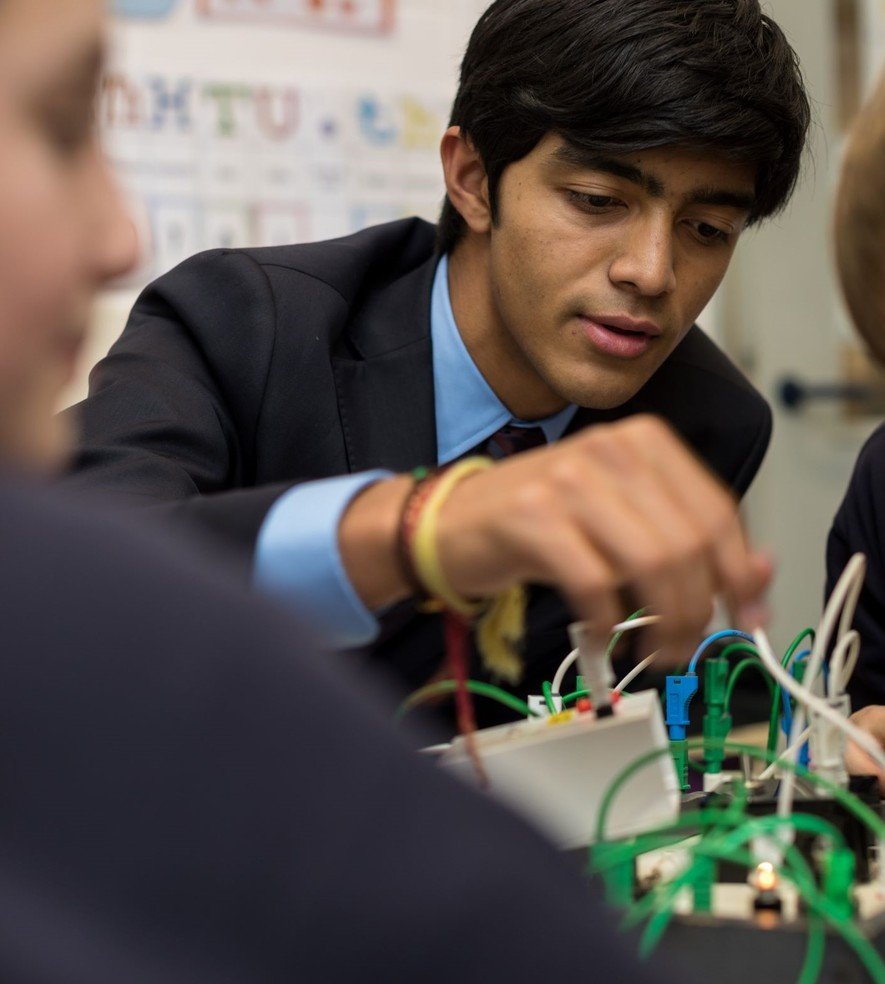
Charities Committee, Design & Technology, IDEAS Society (Innovation, Design, Engineering and Applied Sciences), Prospect Society (Future and enterprise), Young Enterprise.
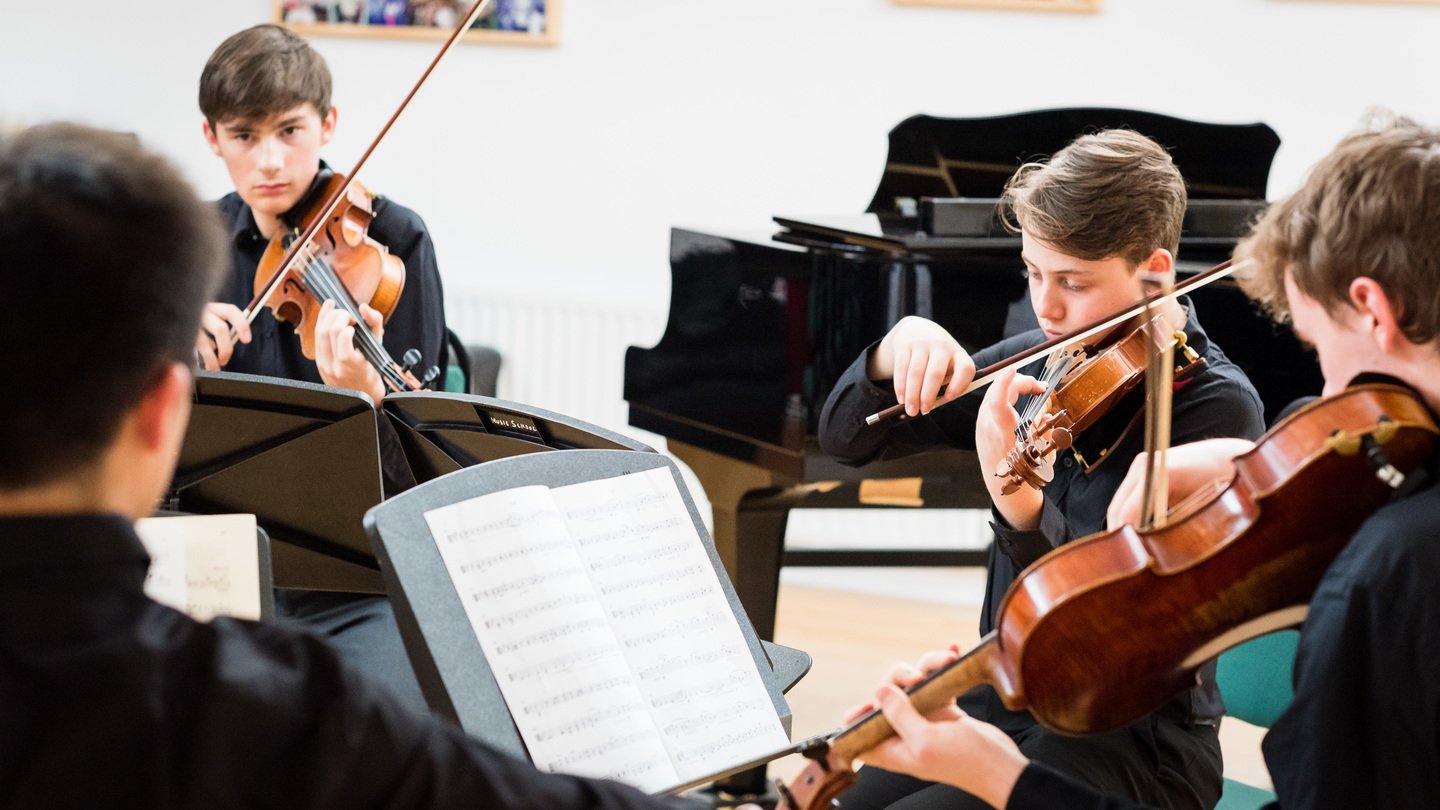
MUSICAL
Choirs, Orchestras, Bands, as well as Beat Society, Bell Ringing, Opera Society.
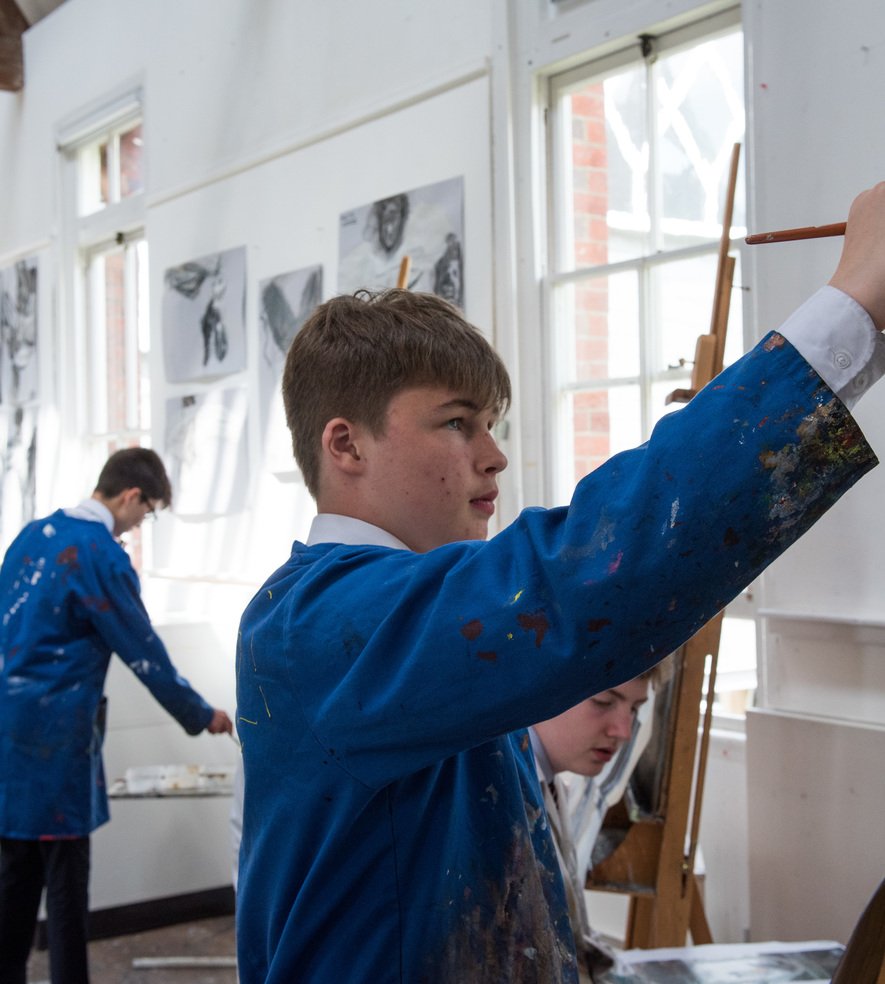
ARTISTIC
Art, Book Binding, Design & Technology, Kenneth Clark Society (Art History), Make-up Society.
DRAMATIC
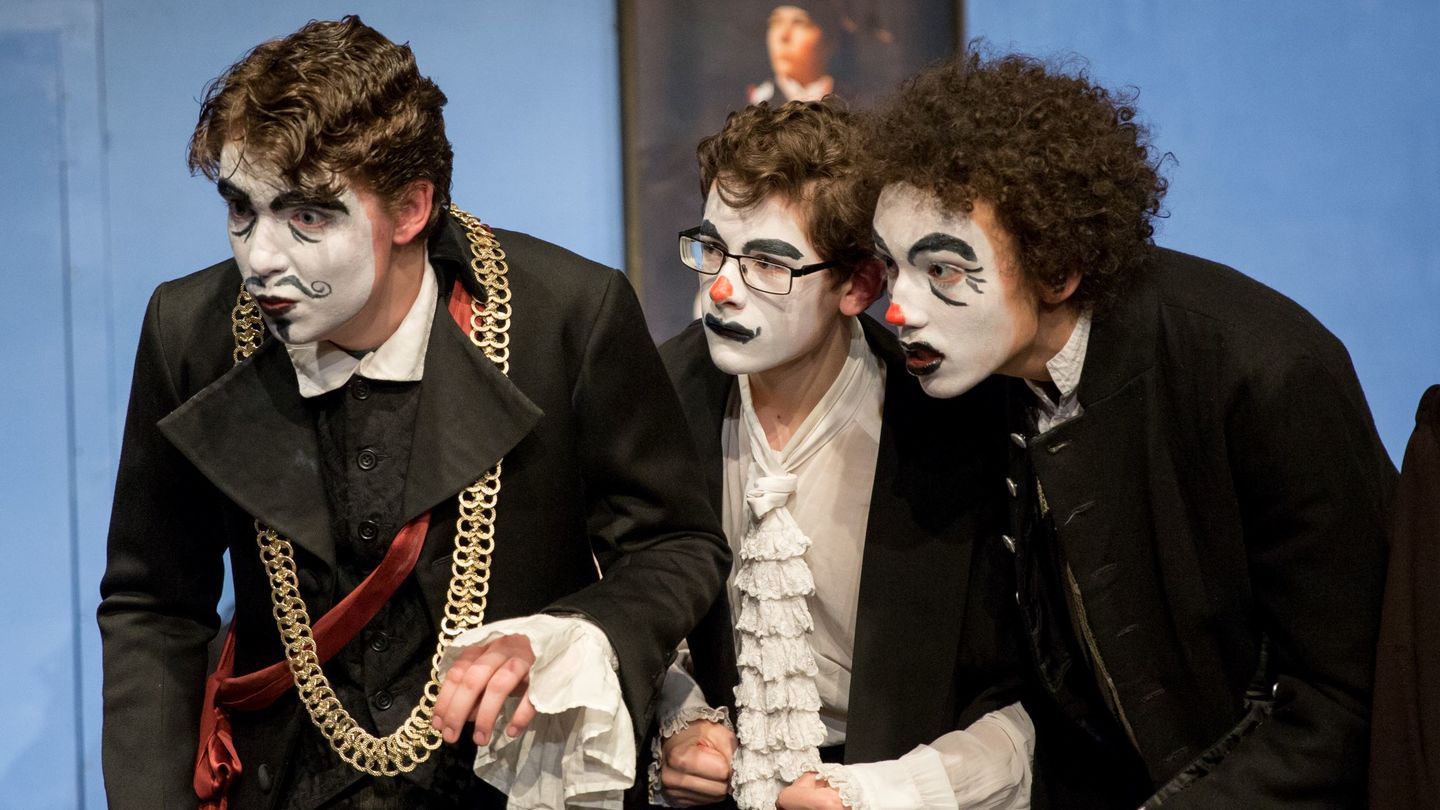
Drama (activity), Film Society, Drama Society, French Orpheus Glee Society (Play reading), German Play Reading, Make-up Society, Opera Society, Shakespeare Reading and Orpheus Glee United Society (Play reading).
GLOBALLY CULTURAL
African Society, MENA - Middle Eastern and North African Society, Oriental Society, Slavonic Society.
HISTORICAL
Ancient History Society, Bell Ringing, Classical Society, History Society, Theology and Philosophy.
PHYSICAL
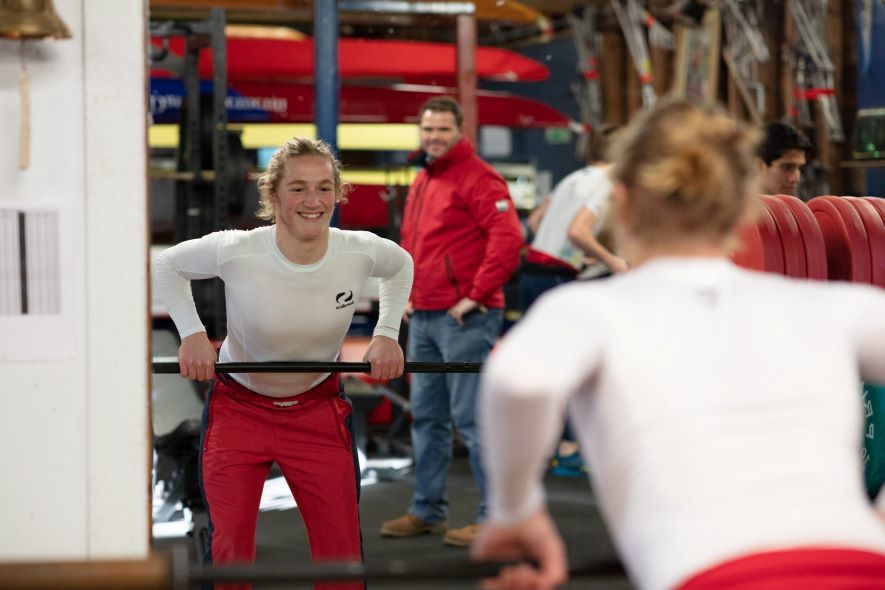
DofE Programmes, Fitness Society, Fitness Training, SCUBA, Sub Aqua, Ballroom Dancing.
OUTDOORS
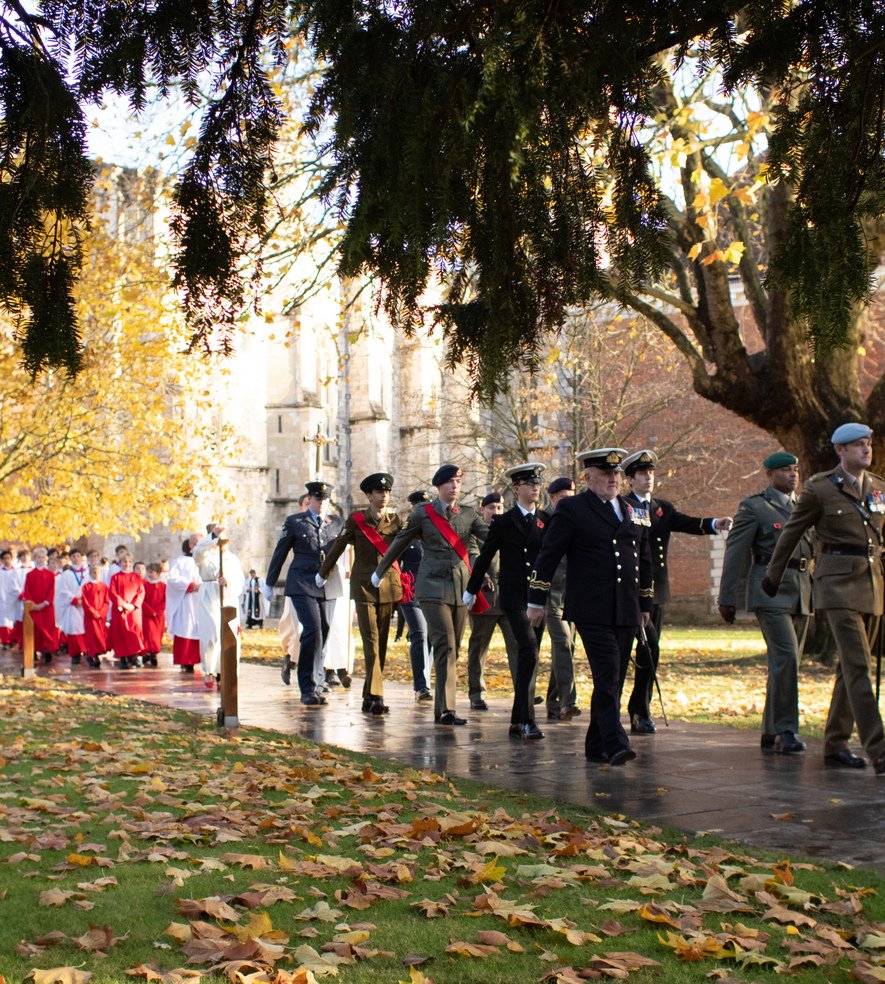
Combined Cadet Force, DofE Programmes, Fishing, Natural History Society, SCUBA, Rock Climbing Society, Clay Pigeon Shooting, Winchester College Expeditions.
JOURNALISTIC
Quelle, Spirit Lamp, Website Team, The Wykehamist magazine.

LITERARY
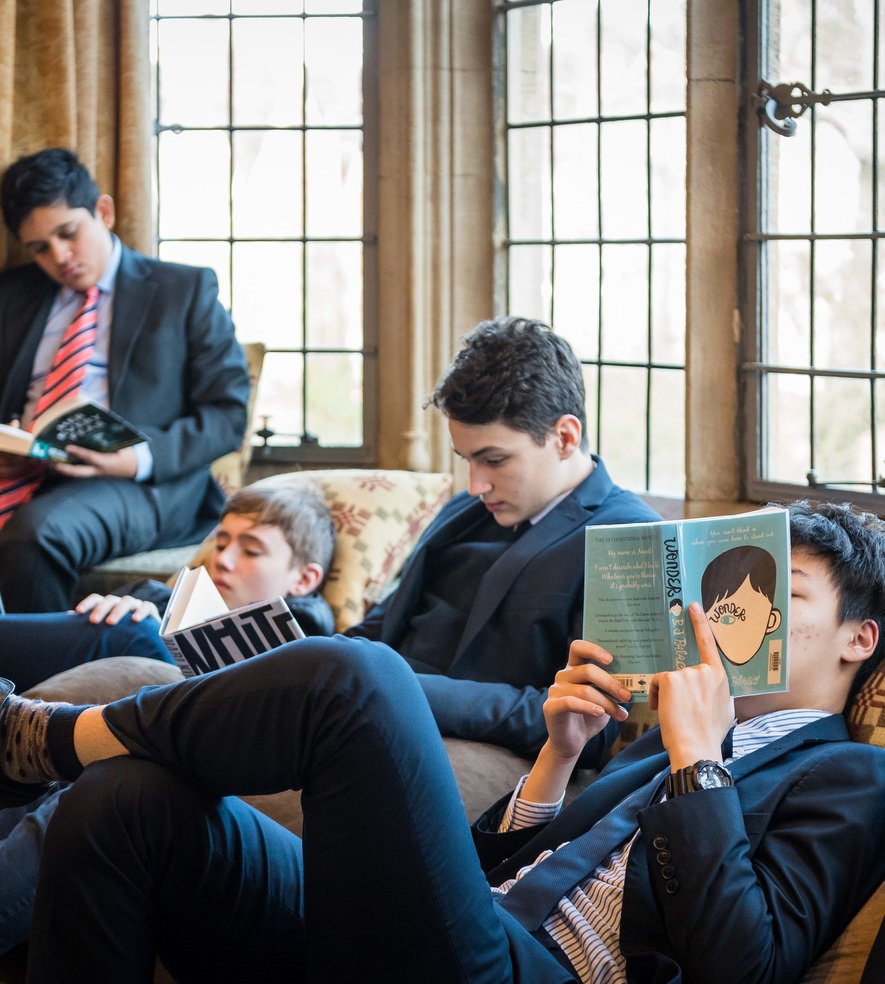
French Orpheus Glee Society (Play reading), German Play Reading, Shakespeare Reading and Orpheus Glee United Society (Play reading), William Empson Society.
LINGUISTIC
French Orpheus Glee Society (Play reading), German Play Reading, Hispanic Society, Slavonic Society.

ORATORICAL
Debating Society, Model United Nations.
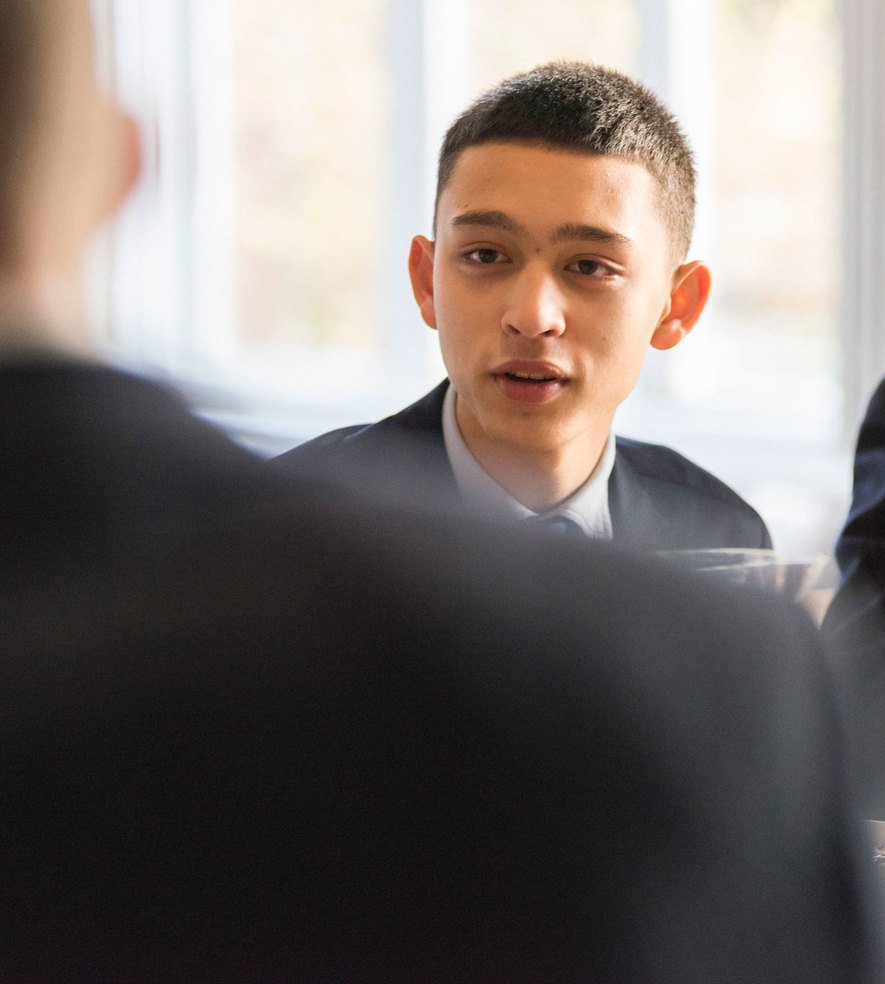
COLLECTING
Car Society, Numismatics Society.
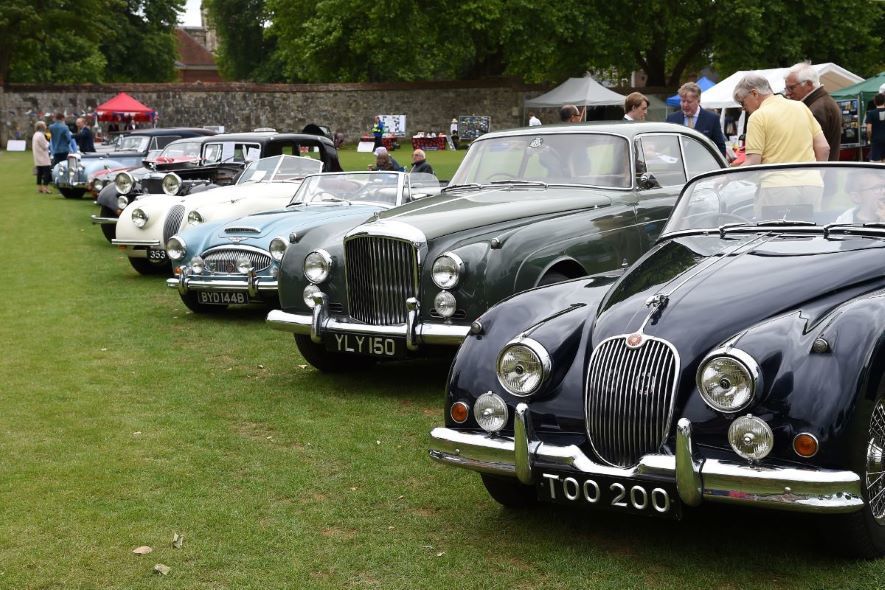
ACADEMIC
Biology Society, Chemistry Society, Geography Society, History Society, Mathematics Society, Ramsey Society (Economics), Science Society, Theology and Philosophy, William Empson Society (Literary).
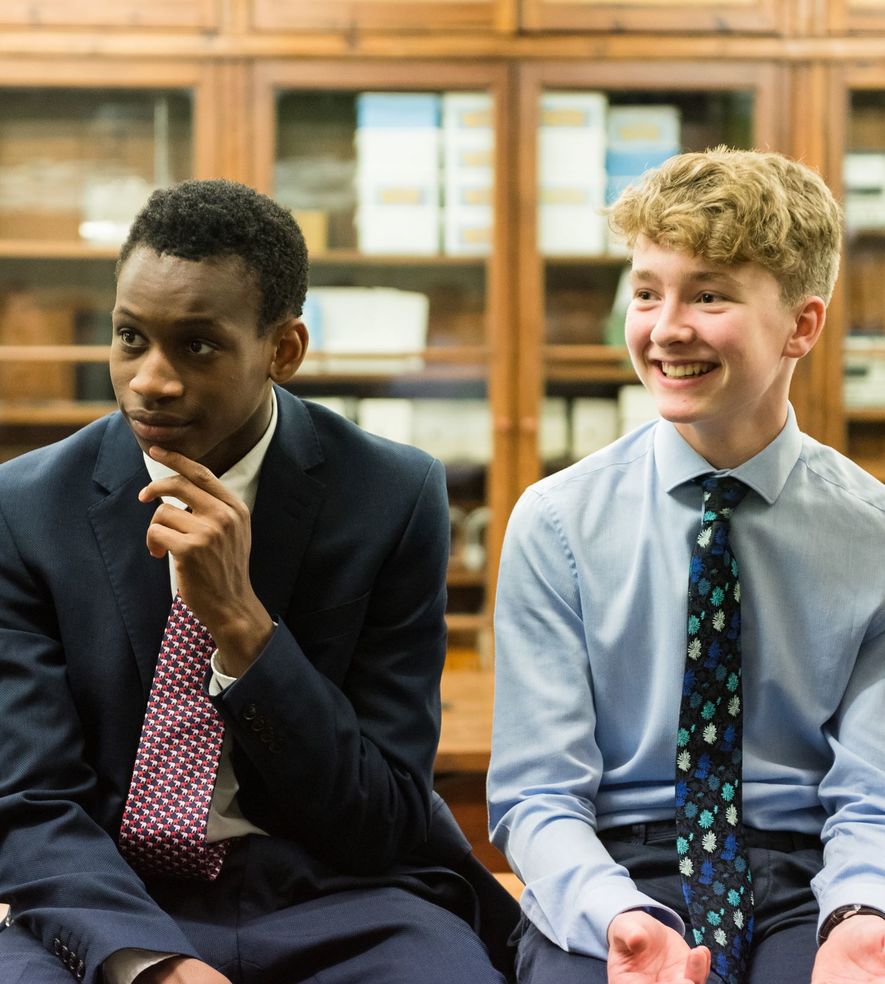
POLITICAL
Debating Society, Gaitskell Politics Society (Visiting lecturers), MENA - Middle Eastern and North African Society, Model United Nations.
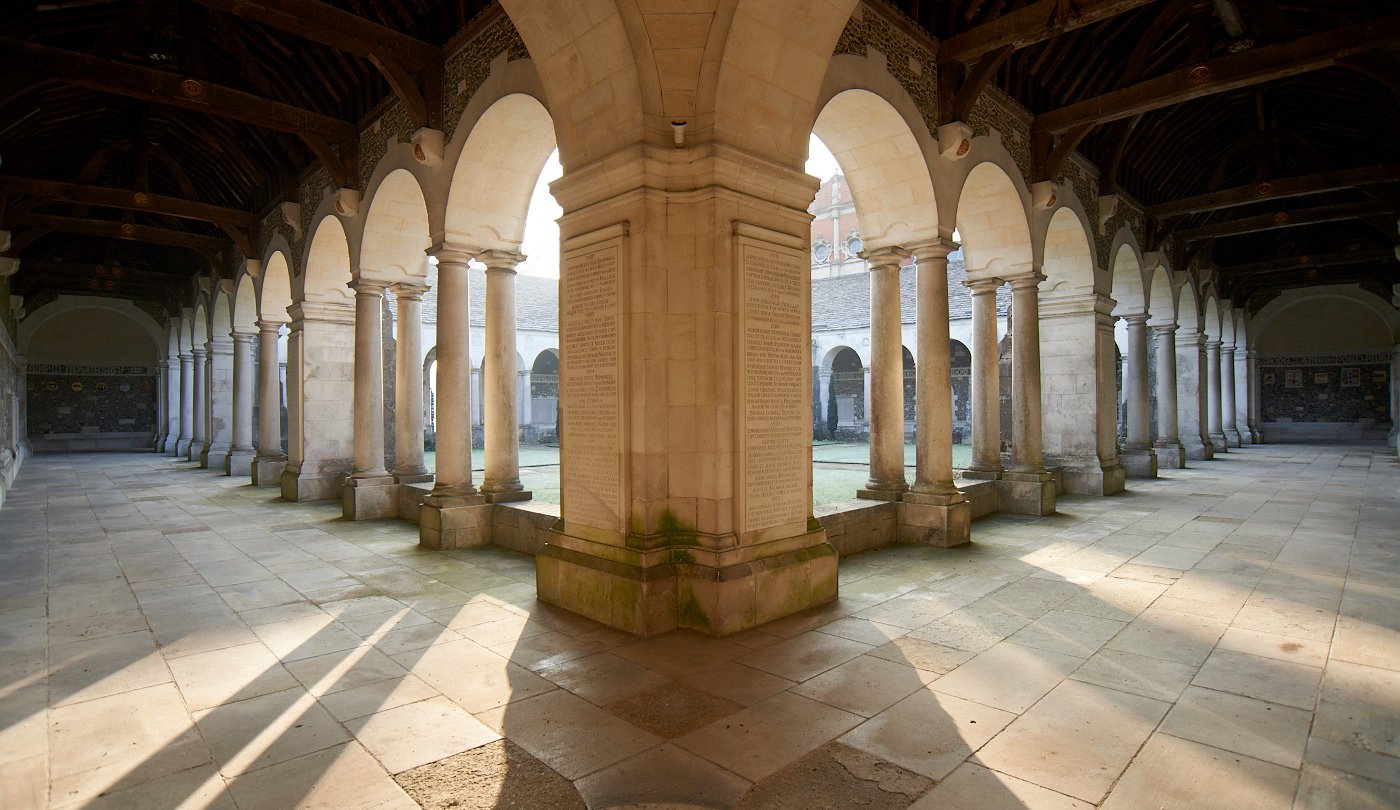
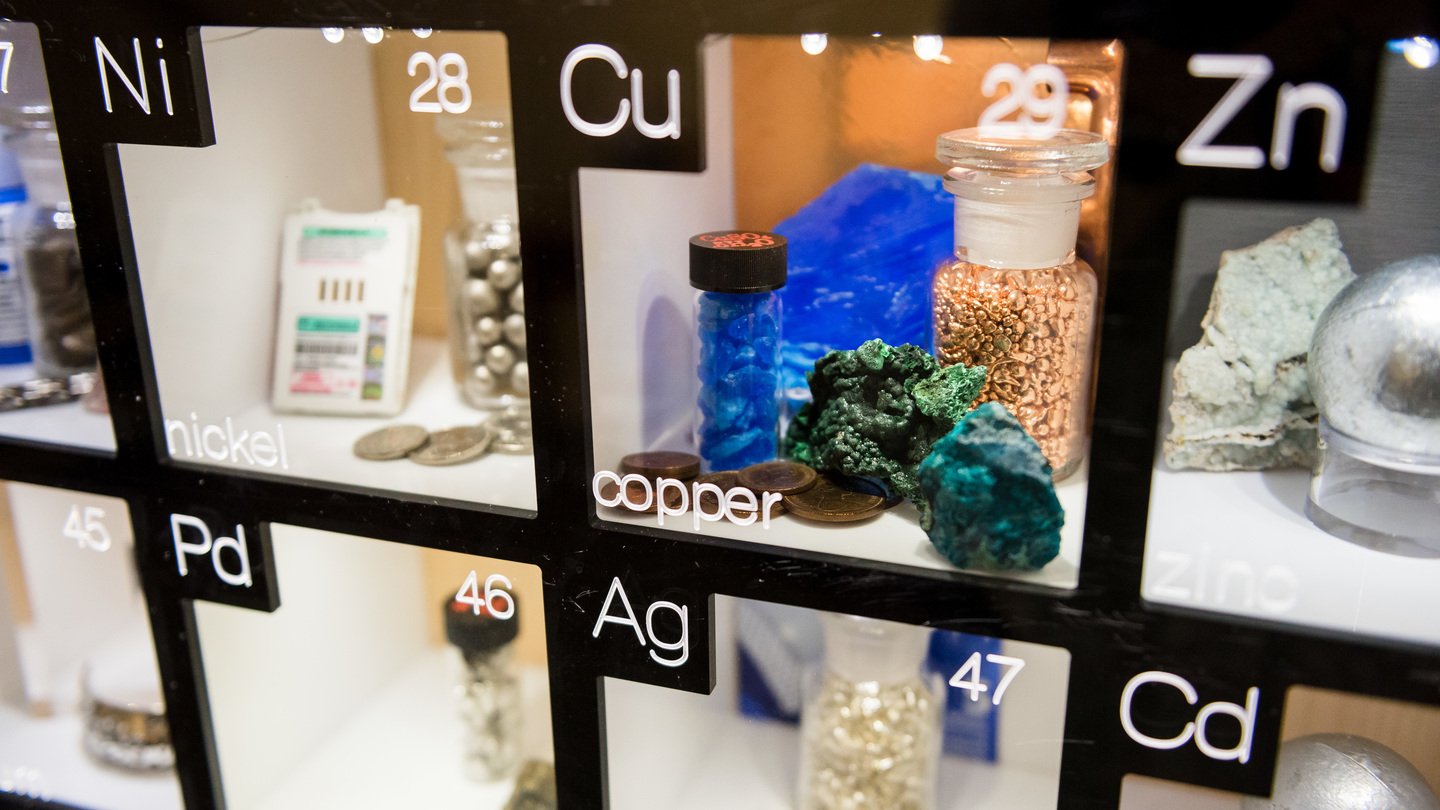
SCIENTIFIC
Astronomy Society, Biology Society, Chemistry Society, Medical Society, Natural History Society, Physics Problem Solving Club, Science Society.
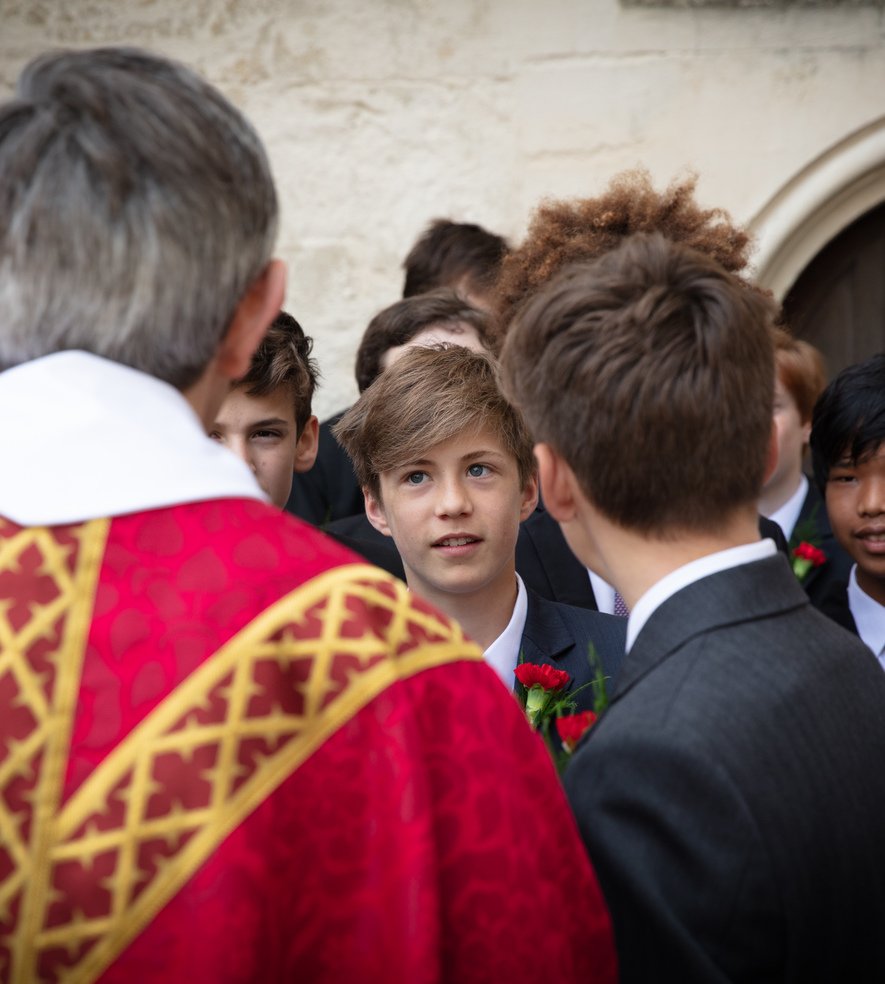
SPIRITUAL
Bell Ringing, Chapel Servers, Christian Union, Theology and Philosophy.
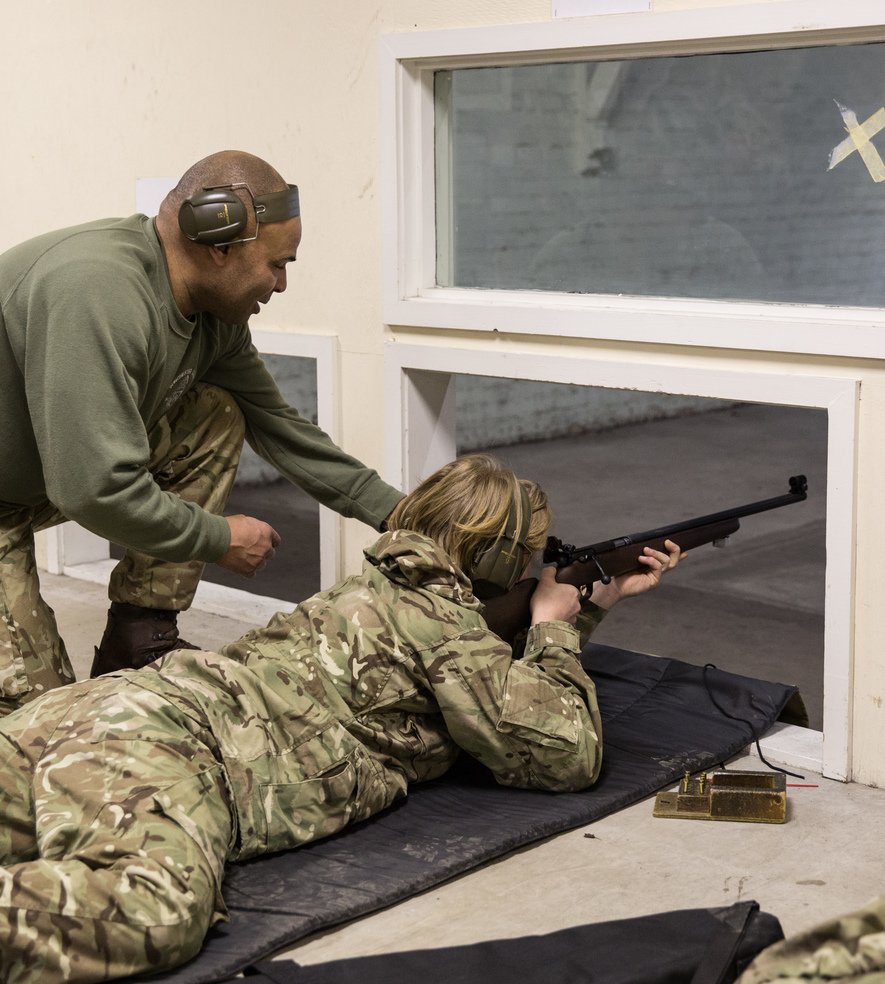
SPORTING
Clay Pigeon Shooting, Fishing, Fitness Training, Rifle Club, Sub Aqua.
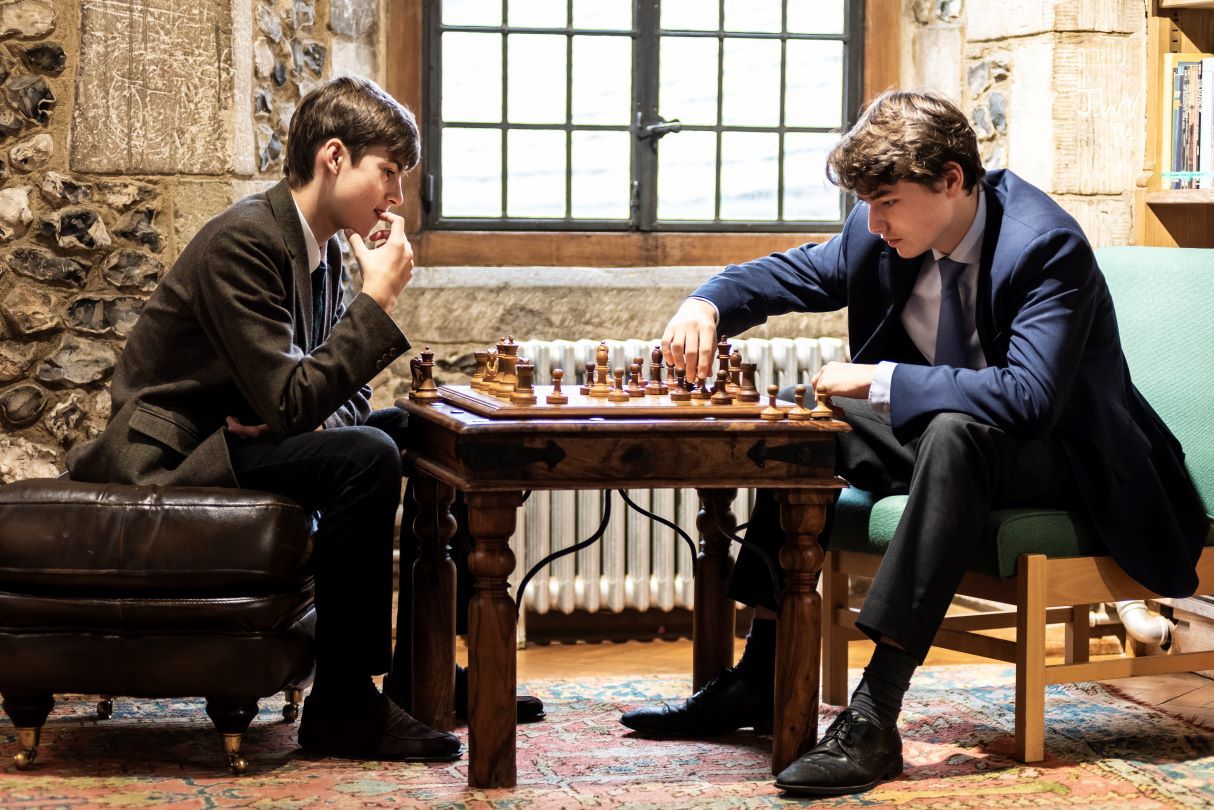
STRATEGIC / TECHNOLOGICAL
Board Games Society, Chess Club, Computer Programming Society, Python Club (Computer programming).
VOCATIONAL
Charities Committee, Design & Technology, IDEAS Society (Innovation, Design, Engineering and Applied Sciences), Law Society, Medical Society, Model United Nations, Publications, Prospect Society (Future and enterprise), Young Enterprise.
 Back to Learning